



Join us inside the
Inner Compass Academy
A 10-week depth psychology and Jungian coaching certification designed for therapists, coaches, and seekers ready to move beyond self-improvement and into soul-centered mastery. Learn to work with the unconscious, facilitate transformation, and embody the principles of individuation in your practice and life.
Next Cohort Starts Fall 2026
Graduates earn certification as an Inner Compass Academy Coach, recognized for CE credit by CAMFT and NBCC. 30 CE hours offered for completion of the program.
If you’ve landed here, something in you is likely seeking a different way of working with people — and with yourself. A way rooted in depth, embodiment, meaning, the collective, and the human soul. That longing is intentional. And it’s exactly what this depth psychology training was created to address.
-
Transcript: Welcome to the Inner Compass Academy — A Depth Psychology and Jungian
Coaching Certification
Spoken by Vanessa Bennett
Hi, I’m Vanessa Bennett, founder of the Inner Compass Academy. If you’ve landed here,
something in you is likely seeking a different way of working with people — and with yourself.
A way rooted in depth, embodiment, meaning, the collective, and the human soul. That longing
is intentional. And it’s exactly what this depth psychology training was created to address.
In my years as a depth psychotherapist and facilitator, I’ve witnessed how many therapists,
coaches, and guides sense a gap in the current landscape of healing. Mindset tools alone don’t
create lasting transformation. Techniques alone don’t reach the unconscious. And advice-giving
doesn’t touch the deeper psyche — the symbolic, emotional, archetypal layers where real change
begins.
We’re living through a collective initiation. The old models of helping no longer hold. And being
able to hold transformative space should not be reserved for the few with the time, money, and
privilege to access depth psychology, somatic training, or Jungian and archetypal frameworks.
These teachings once belonged to the community — to anyone walking the path of becoming.
What we need now are practitioners who remember this. People who can hold space for both the
personal and collective psyche. People who understand shadow work, archetypal psychology,
somatic practice, and the deeper layers of oppression and conditioning that keep us small, silent,
or disconnected from our own inner authority. We need guides willing to wake up to the systems
we’re living inside — and to help others reclaim their sovereignty, depth, and inner truth.
The Inner Compass Academy is a 10-week live, immersive training and certification program in
depth psychology, Jungian coaching, archetypal and imaginal frameworks, somatic and spiritual
psychology, dreamwork, and shadow work. This program is designed for therapists, coaches,
healers, and seekers who want to integrate depth into their life and practice — and who feel
called to walk the lifelong path of individuation with more awareness and integrity.
Inside the Academy, you’ll learn not just theory but embodied application. You’ll explore how to
hold a depth-oriented therapeutic or coaching container, how to work with transference and
countertransference, how to understand the symbolic language of the unconscious, and how to
guide transformation ethically. You’ll learn to serve others the way guides and elders once did —
standing at the threshold between the seen and the unseen, between what is conscious and what
has been forgotten.
Over the course of 10 weeks, you’ll join me and a team of depth-oriented faculty for live Sunday
classes, weekly office hours, supervised practice sessions, and real-world experience inside my
private community. You’ll receive personalized feedback, mentorship, and support as you refine
your craft. The Academy is also CE-eligible through CAMFT, so licensed therapists can earn
continuing education hours while deepening into a more integrative, soul-centered approach.
Whether you’re building a coaching practice, expanding your therapeutic presence, or beginning
your own personal initiation into depth psychology, this program gives you the structure, tools,
and foundation to live and serve with more depth — and with a greater connection to your own
soul.
If you feel the pull toward this work — if something in you knows you’re meant to hold space in
a more grounded, intuitive, and depth-oriented way — I’d love to invite you to join the next
cohort of the Inner Compass Academy. The waitlist is open now, and I would be honored to walk
this path with you.

-
For years, therapists, coaches, and seekers have asked me:
"Where can I study depth psychology without going back to grad school?”I get it. Traditional programs are expensive, overly academic, and often disconnected from lived, embodied experience. I created the Inner Compass Academy as an alternative: a depth psychology-based coaching program that’s practical, soulful, and immediately applicable to your life, relationships, and work.
This isn't about memorizing theory. It’s about learning how to hold space ethically, guide transformation with integrity, and work with the unconscious material that shapes our lives in a way that honors both the personal psyche (Soul) and the collective.
-
The umbrella term for Jungian, archetypal, and analytical psychology, depth psychology is known as the psychology of the soul. It isn’t just a method—it’s a way of seeing and working with the human experience.
It explores the unconscious forces, generational patterns, inner archetypes, and collective stories that shape who we become beneath the surface of our thoughts, behaviors, and identities.
At its core, this work points us toward individuation—the lifelong process of becoming who we truly are. Rather than chasing perfection or improvement, individuation asks us to integrate what has been split off, to bring awareness to the unseen, and to live in alignment with the deeper intelligence of the psyche.
Depth work invites us to honor spirit, befriend the shadow, listen to dreams, engage the body, and remember the Soul’s unfolding journey home to itself.
What’s inside…
The Inner Compass Academy
A live 10-week immersive training for therapists, coaches, healers, and seekers who want to integrate:
Jungian & archetypal psychology
Dreamwork & imaginal practice
Shadow work
Spiritual psychology & somatic healing
This is for you if…
You know that healing can’t be reduced to tools, techniques, or quick fixes and you’re ready to learn how to hold space for transformation at the level of Soul. This program was designed for:
Therapists
…who are ready to bring depth back into their work (or wade into the depth for the first time).
You want to move beyond the confines of diagnosis and symptom management, and into the art of working with archetype, shadow, and the unconscious.
You’re longing to remember why you were drawn to this field in the first place.
Coaches & Guides
…who feel the limits of mindset work and goals.
You sense there’s something deeper beneath your clients’ stories... a symbolic language of the psyche waiting to be heard and engaged with.
You want to become a practitioner rooted in embodiment, intuition, and integrity.
Healers, Seekers & Creatives
…who are walking your own initiatory path.
You feel called to explore your inner world through a framework that honors spirituality, psychology, and the body as interconnected.
You want to live, and serve, from a place of wholeness.
If you’re drawn to depth psychology, shadow work, dreamwork, somatics, or spiritual healing, and you’re ready to weave those threads into your life and practice, the Inner Compass Academy was built for you.



Whether you're building a coaching practice, deepening your existing therapeutic work, or beginning your own personal initiation into this path—this program will give you the tools, structure, and confidence to serve and live with more depth.
The Foundations of Depth Psychology:
Transference, Countertransference & Holding the Container
Group Work Through a Depth Lens
Dreamwork, Archetype & the Imaginal Realm
Somatic & Embodied Transformation
Eastern Psychology, Indigenous Wisdom & Decolonizing Healing
Radical Accountability & Codependency Recovery
The Collective Unconscious & Personal Shadow
Ethical Marketing and Building a Depth Oriented Practice
Included in The Academy:
✓ Live, immersive classes every Sunday from 10 AM - 12 PM PST (Recordings available, but you must attend at least 5 live sessions for certification)
✓ One hour live office hours/Q&A with each week’s instructor
✓ Practice coaching sessions with cohort members (rotated pairs)
✓ Real-world experience in my private community—leading groups, gaining clients, and honing your craft (includes 1 year of free access)
✓ Personalized feedback on recorded practice sessions
✓ 6 months of access to all recordings
✓ An opportunity to join my small supervision group
Meet Your Instructors
-
![A woman with blonde hair, green eyes, and tattoos on her arms, wearing a sleeveless beige top and blue jeans, leaning on a white surface with her hands clasped.]()
Vanessa Bennett, LMFT
With an integrative somatic and depth-oriented lens, Vanessa teaches Introduction to Depth, Sitting with People, Fishbowl Coaching Lab, and Integration & Closing, guiding students into the terrain where codependency work, embodiment, and mystical traditions meet the innate wisdom of the body and the natural world.
-
![Close-up of a middle-aged Asian man with gray hair, wearing a brown t-shirt, standing against a light gray textured background.]()
John Kim, LMFT
John brings his signature direct, human-first approach to Sitting with People and The Business of Therapy & Coaching, helping practitioners cut through noise, clarify identity, and build honest, empowered relationships with their clients and themselves.
-
![A woman with shoulder-length brown hair smiling in an indoor setting.]()
Emily Cervini, AMFT
Emily enters the curriculum through Talking to Ourselves: Dialogue with the Unconscious, offering a rare blend of dream tending, animist psychology, and ritual that teaches students to meet the psyche through image, story, and the living unconscious.
-
![A woman with curly hair smiling at the camera, resting her chin on her hand, in a cozy indoor setting with plants and artwork in the background.]()
Inertia DeWitt, LMFT
is a licensed somatic psychotherapist, expressive artist, and educator specializing in depth psychotherapy, embodiment practices, and spiritually integrated care. Her work bridges neuroscience, somatics, and mystical traditions to support transformative healing. Inertia teaches with enthusiasm, humor, and a deep respect for the innate wisdom of source, the body, and the natural world.
-
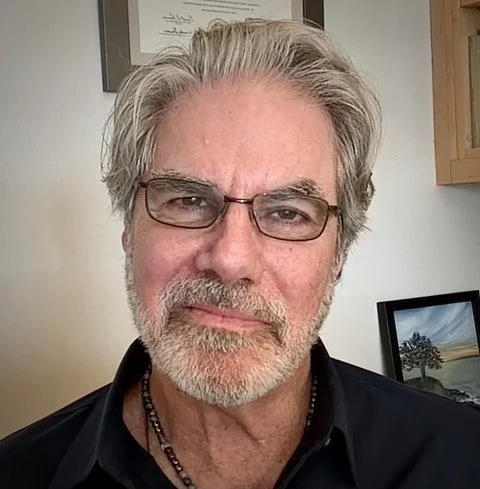
![Close-up of a middle-aged man with gray hair, beard, glasses, wearing a black shirt with a necklace, indoors with framed pictures on the wall.]()
Daniel Stewart, LMFT, RYT
Daniel’s teaching in The Watcher and the Way draws from Jungian thought, East/West wisdom traditions, and somatic practice, guiding students into soul work that bridges psyche, embodiment, and authentic creative expression.
-
![A woman with wavy brown hair and blue eyes posing against a gray background, wearing a black top, a gold necklace with a circular pendant, and a single dangle earring.]()
Madeleine Downey, MC
In Shadow Work, Madeleine weaves Jungian foundations with trauma-informed, narrative, and somatic practices, helping practitioners recognize, hold, and integrate the parts of themselves they’ve learned to exile.
-
![A close-up portrait of a smiling woman with blonde hair in front of tropical green palm leaves.]()
Taunē Lyons, LMFT, SEP
Taunē teaches Reimagining Inner Parenting through an imaginal and somatic approach to developmental repair, inviting students into full-body listening, relational attunement, and deeper connection with self, others, and the more-than-human world.
-
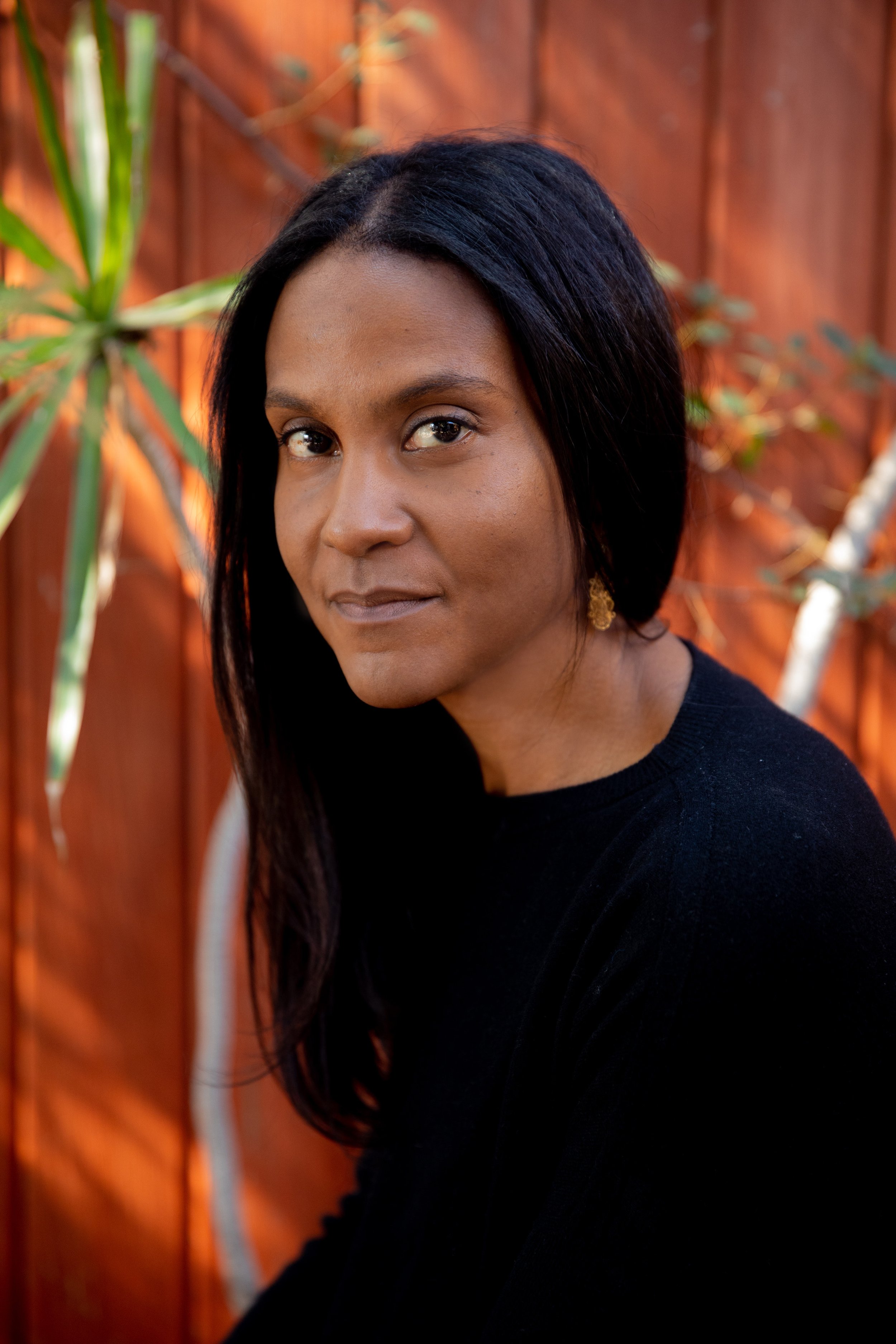
![A woman with long black hair, wearing a black top and gold earrings, looking at the camera with a slight smile, in front of a wooden fence with green plants.]()
Dené Logan, MA, RYT
Dené’s course on Radical Accountability & The Collective Unconscious offers a grounded, archetypal path to reclaiming authenticity by interrupting inherited patterns and challenging the beliefs that keep us small and disconnected.







What past cohort members are saying

-
Course Description
This opening session will set the foundation for the Inner Compass Academy experience. We will orient participants to the structure of the program, introduce depth psychology as the soul-based lens through which the entire curriculum is framed, and differentiate between therapeutic and coaching approaches to depth work. Through ritual, community connection, and exploration of archetype, this course invites students into a personal and collective journey of transformation.
Instructor Information
Vanessa Bennett, LMFT, is a licensed depth psychotherapist, author, educator, and founder of the Inner Compass Academy. Her work integrates Jungian and archetypal psychology, somatics, and spiritual practice in accessible and transformative ways.
Educational Goals
To orient participants to the philosophy, purpose, and structure of Inner Compass Academy.
To deepen professional and personal understanding of depth psychology as a foundation for transformational work.
To support participants in beginning to locate themselves within a collective mythopoetic journey.
Identify the personal intentions that brought you to this training.
Measurable Learning Objectives
Define depth psychology and explain its foundational principles.
Describe three key differences between therapy and coaching in the context of depth work.
Describe two ways this training will help clients.
-
Course Description
This course introduces the foundational relational skills necessary for holding space in both one-on-one and group settings. Grounded in Person-Centered Therapy, participants will explore Carl Rogers’ core conditions for therapeutic change—congruence, empathy, and unconditional positive regard—and learn how these principles apply to both coaching and clinical work. The session also covers key concepts of transference and countertransference, and introduces the basics of group dynamics and facilitation. Whether students are new to the work or looking to deepen their intuitive presence, this class will offer grounded tools for “sitting with people” in a way that is ethical, attuned, and deeply human.
Instructor Information
Vanessa Bennett, LMFT is a licensed depth psychotherapist, author, educator, and founder of the Inner Compass Academy. Her work integrates Jungian and archetypal psychology, somatics, and spiritual practice in accessible and transformative ways. Prior to her clinical work, she spent a decade in corporate marketing and strategic brand development.
John Kim, LMFT is a licensed therapist, author, coach, and entrepreneur who helped revolutionize how therapeutic work is shared and practiced in the digital age. Known as The Angry Therapist, John has spent over two decades integrating clinical practice with accessible, real-world language and tools. He has built a thriving online platform, community, and business by using authenticity, storytelling, and new media to bring healing to a global audience. His work focuses on empowering others to lead with honesty, build personal brands rooted in service, and create sustainable, soul-aligned practices.
Together, they bring a balanced approach that blends psychological depth, practical tools, and soulful presence to support practitioners in developing authentic and ethical ways of holding space. co-authored the relationship book It’s Not Me It’s You.
Educational Goals
Develop a deeper understanding of the core conditions that support healing in therapeutic and coaching relationships
Increase awareness of the practitioner’s own presence, reactions, and role in the helping relationship
Build foundational knowledge of group dynamics and how to hold space in a group setting
Learn to recognize and navigate transference and countertransference with care and clarity
Measurable Learning Objectives
By the end of this course, participants will be able to:
Define Carl Rogers’ three core conditions: congruence, empathy, and unconditional positive regard
Describe the importance of presence and self-awareness when holding space for others
Identify transference and countertransference dynamics in the helping relationship
Name the basic components of group process and dynamics
Apply one foundational tool to support ethical and attuned group facilitation
-
Course Description
This course teaches foundational depth psychological concepts to demonstrate how dialogue with the unconscious can be an avenue towards personal growth, revelation, and deeper self-understanding. Dream figures, myths and the images of the unconscious take center stage as the medium through which that dialogue can occur. Students will have an introduction to the techniques of Active Imagination and Dream Tending.
Instructor Information
Emily is a practicing A.M.F.T. in Los Angeles. She received her Master’s degree from Pacifica Graduate Institute as well as a Master’s degree in Spiritual Psychology from the University of Santa Monica. She has acquired additional training in Dream Tending, animist psychology, and ritual practice. She is fascinated by the interplay of the sacred and the mundane.
Educational Goals
Educational goals include understanding the theoretical foundations that support the practice of dialoguing with internal images and dream figures. By participating in this course, students will acquire a foundational skill set in the practice of Active Imagination and Dream Tending. These tools can be built upon through personal practice and utilized as a discovery technique in coaching practice.
Measurable Learning Objectives
By the end of this course, participants will be able to:
Define Ego, Archetype, and Self.
Describe the difference between the personal and the collective unconscious.
Describe the significance of myths, symbols and images as they relate to individuation and the unconscious.
Engage in the practice of Active Imagination and Dream Tending as techniques for personal growth.
Demonstrate the skills of association, amplification, and animation as they pertain to working with images and dream figures.
Articulate the significance of the phrase “living image”
-
Course Description
“The privilege of a lifetime is to become who you truly are.” CG Jung
This workshop explores an East/West framework for addressing foundational human questions about meaning, purpose, human suffering, and wholeness. Who am I? What is my authentic soul path? Why do I suffer? Is there anybody out there/in here?
The East/West approach describes a pathway to integrated wholeness and healing through the psychospiritual lenses of Jungian Analytic Depth psychology and the Eastern tradition of Raja Yoga. Grounded in the shared aim of cultivating Self-awareness, authenticity, and wholeness, these two contemplative traditions provide complementary depth oriented pathways for understanding the psyche, the nature of suffering, and the movement toward individuation and liberation.
Participants will dance with concepts such as the Self - the numinous symbol of wholeness - the Ego-Self relationship, archetypes, the personal and collective unconscious, Alchemy, Kriya Yoga, and Jung’s transcendent function in the role of psychological development. The importance of holding opposites and paradox, suffering as a path to growth, mindful presence and embodiment, and the nature of the mind itself will also be explored.
Finally, by awakening the ego to its role in growth and creative expression, by bringing light into the darkness of the depth, we will examine the transformation of the Ego consciousness and individuation as perhaps the most meaningful activity we can pursue, as individuals, in service to all humanity: the growth and evolution of all collective consciousness.
This workshop is especially relevant for seekers and clinicians looking to expand beyond cognitive models and reconnect with soul-centered approaches to transformation.
Instructor Information
Daniel Stewart, MA, LMFT, E-RYT 500
Daniel is an integrative depth psychotherapist and yoga philosophy teacher who combines Jungian psychology, East/West wisdom traditions, and somatic practices to support the unfolding of the authentic Self. With a background in creative processes and Jungian analysis, and a passion for soul work, Daniel helps clients and students explore the intersection of psyche, spirit, and embodiment in the search for authenticity, healing, and creative expression. Daniel is the co-founder of Rising Lotus Yoga in Sherman Oaks, where teaches Yoga and Meditation, and leads the Yoga Philosophy module in annual Yoga teacher training. He shares his love of music as an healing modality through the art and practice of Kirtan.
Educational Goals
By participating in this course, attendees will:
Deepen Understanding of East/West Psychospiritual Integration:
Enable participants to understand how integrating both Western (Jungian depth psychology) and Eastern (yogic philosophy) practices can enhance therapeutic work and promote wholeness in individuals.
Explore the complementary nature of these systems, focusing on how they address the same core human needs from different angles (consciousness, suffering, ego-Self dynamics).
Examine how the dynamic tension between ego and Self contributes to human suffering and psychological growth, and how restoring this relationship supports individuation and liberation.
Promote Self-Awareness and Growth in seekers and clinicians:
Encourage clinicians and seekers to engage in their own personal exploration of the Self and develop a deeper awareness of their own unconscious dynamics, thus becoming more effective guides for clients.
Highlight the importance of working with opposites (e.g., ego and Self, light and shadow) and the transformational potential of embracing paradox in therapeutic contexts.
Equip participants with Practical Tools and Techniques:
Introduce psychospiritual tools from both traditions, such as active imagination (Jungian) and kriya yoga (yogic practices), that participants and clinicians can incorporate into their own work and that of their clients.
Teach how these tools help clients navigate suffering, achieve self-realization, and engage with unconscious material, leading to psychological growth.
Foster a Mind-Body-Spirit Connection
Cultivate a Dynamic Relationship with the Depths:
Guide participants to understand how both East and West systems view the unconscious or depth realm as a vital source of psychic material to compensate for limited ego understanding.
Under the unconscious as the wellspring for all creation and access to the deeper wisdom necessary for healing.
Illustrate the importance of a broad, inclusive understanding of human psychology and spirituality, moving beyond dichotomies to embrace wholeness in therapeutic work.
Expand Therapeutic Models through Interdisciplinary Perspectives:
Facilitate movement from ego-driven interpretations ("why is this happening to me?") to soul-based meaning-making ("what is this teaching me?") as a core function of psycho-spiritual maturity.
Encourage practitioners to think creatively and draw from both depth psychology and yogic practices to develop an integrative, holistic approach to healing.
Discuss how engaging with the "depths" (the unconscious, the soul, or higher consciousness) can help break through limiting egoic patterns and facilitate the therapeutic process.
Embrace the Journey of Becoming:
Affirm the workshop's central invitation: to courageously engage the path of self-realization as the privilege and purpose of a lifetime, in service of both personal freedom and collective wholeness.
Measurable Learning Objectives
By the end of this course, participants will be able to:
Define two key concepts from Jungian depth psychology and yogic philosophy.
Describe how both traditions view suffering and transformation.
Compare and contrast the relationship of the ego to the Self in depth Psychology and Yoga.
Discuss mindfulness, meditation, and discernment as tools for healing.
Define three concepts of depth, depth psychology, and psycho-spiritual practice.
Compare Jungian psychology and classical yoga as systems of growth.
Contrast Western integration of unconscious material with Eastern transcendence.
Explain the role of inner work and ego transformation in collective consciousness.
Apply one course concept to a personal conflict or area of growth.
-
Course Description
This introductory course explores the foundations of Shadow Work through the lens of Jungian psychology. Designed for mental health professionals and helping practitioners, the course provides a conceptual and experiential introduction to the theory of the “shadow”—the unconscious parts of ourselves that are hidden, denied, or repressed—and how these aspects influence behavior, relationships, and the therapeutic process.
Participants will gain an understanding of the origins and purpose of shadow material, how it manifests in both personal and clinical contexts, and the process of shadow integration as a path toward greater authenticity and psychological wholeness. The course includes opportunities for personal reflection, guided exercises, and practical strategies to support clients in identifying and working with their shadow in a safe and trauma-informed manner.
By the end of the course, participants will have foundational tools to engage in their own shadow work and begin applying shadow work principles in therapeutic practice.
Instructor Information
Madeleine is a registered clinical counsellor, group facilitator, life coach, and head of program development of the Inner Compass Academy. Madeleine’s approach integrates Jungian theory, narrative practices, and trauma-informed care to support individuals in cultivating self-awareness and authentic connection. She facilitates group offerings on Shadow Work, Purpose, and embodied practices such as yoga, meditation, and breathwork.
Educational Goals
By participating in this course, attendees will:
Develop a foundational understanding of the origins and evolution of Shadow Work within the context of Jungian and depth psychology.
Increase professional self-awareness by engaging in guided personal shadow work practices.
Deepen their capacity to hold space for complexity, contradiction, and the unconscious in both themselves and their clients.
Improve clinical sensitivity to how shadow dynamics—such as projection, repression, and disowned parts of self—manifest in therapeutic relationships.
Enhance their ability to integrate shadow work principles into therapeutic, coaching, or helping professions with an ethical and trauma-informed lens.
Strengthen clinical insight through experiential learning and reflective practice.
Build confidence in recognizing and navigating shadow material as it arises in practice, supporting clients toward greater self-integration and authenticity.
Expand their professional toolkit with techniques that support transformative inner work and long-term personal growth for both practitioner and client.
Measurable Learning Objectives
By the end of this course, participants will be able to:Define the concept of the “shadow” as described in Jungian theory, including its role in psychological development.
Identify at least three common ways that shadow material may manifest in therapeutic settings (e.g., projection, resistance, transference).
Describe three ethical considerations when guiding clients through shadow work.
Apply one practical strategy for initiating and supporting shadow work with clients in a trauma-informed and client-centered manner.
List one reflective exercise that can be used for personal shadow exploration and clinician self-awareness.
Explain the connection between shadow integration and personal growth, authenticity, or individuation.
-
Course Description
This workshop explores the importance of including spirituality in therapeutic work, offering a depth-oriented approach to integrating spiritual themes into clinical practice. Drawing from Jungian psychology, transpersonal theory, and archetypal frameworks, the workshop invites therapists and coaches to explore how to work therapeutically with spiritual experiences, beliefs, and longings, not as pathologies or resistances, but as necessary and meaningful aspects of psychological development and healing. Through reflective inquiry, clinical dialogue, and experiential practices, participants will learn how to ethically and skillfully engage spiritual material within therapeutic relationships, honoring both clinical boundaries and the client’s unique cosmology.
Instructor Information
Inertia DeWitt, LMFT, is a licensed somatic psychotherapist, expressive artist, and educator specializing in depth psychotherapy, embodiment practices, and spiritually integrated care. Her work bridges neuroscience, somatics, and mystical traditions to support transformative healing. Inertia teaches with enthusiasm, humor, and a deep respect for the innate wisdom of source, the body, and the natural world.
Inertia DeWitt provides Somatic Depth Psychotherapy to clients at The OHM Center, her private practice in the California Bay Area. She holds an MFA in Dance with a special focus on somatic practices, an MA in Counseling Psychology with an Emphasis in Depth Psychology. Inertia is trained in EMDR, Brainspotting, Havening, Expressive Arts Therapy, and has completed over 120 hours in clinical somatic training. She is also a Certified Brain Health Professional through the Amen Clinics, as well as a Certified Yoga Teacher with over 10 years teaching experience.
Educational Goals
By participating in this course, attendees will:
Develop a nuanced understanding of spirituality within the context of depth psychology and clinical work.
Reflect on their own spiritual worldview and its influence on the therapeutic process.
Learn ethical frameworks for integrating spiritual content without imposing beliefs.
Build confidence in initiating and holding therapeutic conversations around spirituality in a grounded, inclusive, and clinically sensitive way.
Strengthen capacity to use spiritually based interventions
Expand their clinical toolkit with depth-oriented approaches that honor the psyche-soul connection in healing.
Increase self-awareness regarding personal biases related to spirituality, religion, and cultural differences, and learn how these biases may influence client relationships and therapeutic outcomes.
Discuss the imaginal realm as a bridge between the physical and metaphysical worlds, showing how it supports transformation and healing through visualization and deep mind-body connections.
Explore altered states and the quantum field and its relevance to the expansion of consciousness, as well as its impact on the neural patterns that influence behavior, perception, and healing.
Measurable Learning Objectives
By the end of this course, participants will be able to:
Define key terms including spirituality, spiritually integrated care, and the imaginal realm within a depth psychological framework.
Name two ways to assess a clinician’s clinical spiritual bias and how these may impact therapeutic presence, countertransference, or treatment planning.
Describe at least two ethical considerations when integrating spirituality into clinical work.
Determine when a client's needs (spiritual or otherwise) exceed a clinician’s scope or fit, and outline appropriate referral criteria.
Differentiate between a client’s metaphysical or spiritual experience and symptoms of dissociation or psychosis, naming at least one screening method or clinical question to aid discernment.
Initiate a conversation about spirituality during a client intake or consultation using trauma-informed and culturally inclusive language.
Demonstrate one or more practical interventions that draw on symbolic, imaginal, or spiritually resonant frameworks (e.g., guided visualization, meaning-making rituals, archetypal dialogue).
Identify three or more experiential techniques (with case examples) to support clients’ spiritual or existential exploration in session.
-
Course Description
This course explores an integrative approach to inner parenting that honors the body, imagination, and our relationship with the more-than-human world. Grounded in Somatic Experiencing’s SIBAM model (Sensation, Imagery, Behavior, Affect, and Meaning) and influenced by BodyDreaming and Dan P Brown and David Elliot’s depth-oriented attachment repatterning protocol, we will examine how internal repair unfolds through symbolic imagery, full-body listening, and relational fields that extend beyond the human. Participants will learn how to support clients in developing inner connection and security while also recognizing how nature, archetype, and imaginal figures can become co-regulators and sources of belonging. Through experiential practice and reflection, we will explore how inner parenting becomes an interdependent, living relationship that rewires not only the nervous system, but our sense of place, soul, and self.
Instructor Information
Taune, LMFT, SEP, is a psychotherapist, writer, and facilitator whose work explores the intersection of developmental trauma, embodied intimacy, and imaginal and action-based care and repair. Drawing on a foundation in Somatic Experiencing and shaped by depth psychology, attachment theory, and symbolic practices, Taune integrates full-body listening with relational and imaginal approaches to healing. Their work invites clients and clinicians into deeper connection, with self, others, and the more-than-human world, as a pathway to belonging, reparenting, and interdependent nervous system repair.
Educational Goals
Increase fluency in integrating imagery and somatic tracking into clinical work
Support clients in developing inner connection as well as secure internal relationships through inner parenting
Expand the frame of healing to include interdependence with the more-than-human world
Measurable Learning Objectives
Identify the five components of the SIBAM model and their relevance in somatic processing
Describe how imagery and symbolic representation support inner reparenting
Apply a SIBAM-informed framework for relational repair through inner and imaginal figures
Define the role of the more-than-human world in co-regulation and healing
Demonstrate a basic somatic imagery practice to support inner connection and expanded belonging
-
Course Description
This course is an exploration of Radical Accountability as the path to liberation and the interruption of patterns that are stunting our growth
Instructor Information
Dené Logan is a Marriage and Family Therapist, a group facilitator, and an author based in Los Angeles. She utilizes her background in depth psychology to infuse archetypes, ritual, and metaphysics into the exploration of how each of us can reclaim the aspects of our authentic selves that we’ve been culturally conditioned to turn away from in an attempt to maintain attachments.
Educational Goals
This course will support instructors in the ability to hold space for clients in the process of deeper layers of self-actualization and emotional freedom through the challenging of cognitive distortions that lead to limiting beliefs.
Measurable Learning Objectives
At the end of the course, students will be able to
Name two processes for challenging cognitive distortions
Identify the culturally conditioned origin points of some of our most common limiting beliefs
Describe two ways of working with a client when limiting beliefs come to the surface
-
Course Description
The Fishbowl Practice Session is a live, hands-on session designed to turn insight into skill and strengthen your coaching presence. In a supportive fishbowl format, you’ll choose your role—coach, client, or observer—and rotate through brief coaching sessions followed by structured feedback and group debrief.
Coaches will practice depth-informed inquiry, somatic attunement and pacing, and clear session endings. Clients bring a real, present-time, coachable topic and share only what feels appropriate for an educational space. Observers track presence, pacing, questions, and somatic cues, offering concise, useful reflections.
Instructor Information
Vanessa Bennett, LMFT is a licensed depth psychotherapist, author, educator, and founder of the Inner Compass Academy. Her work integrates Jungian and archetypal psychology, somatics, and spiritual practice in accessible and transformative ways.
Educational Goals
Support participants in integrating the material, insights, and personal transformation from the past nine weeks through a live practice coaching session where they apply depth-informed tools in real time
Measurable Learning Objectives
By the end of this course, participants will be able to:
Demonstrate at least two coaching skills by applying them in a live coaching practice session
Fishbowl Practice Session Outline
10:00-10:20 AM - Practice Session 1
10:20-10:30 AM - Feedback & Integration
10:30-10:50am AM - Practice Session 2
10:50-11:00 AM - Feedback & Integration
11:00-11:20 AM - Practice Session 3
11:20-11:30 - Feedback & Integration
11:30-11:50 AM - Practice Session 4
11:50-12:00 PM - Feedback & Integration
12:00-12:20 PM - Practice Session 5
12:20-12:30 PM - Feedback & Integration
12:30-12:50 PM - Practice Session 6
12:50-1:00 PM - Feedback & Integration
-
Course Description
This final session serves as a ceremonial closing to the Inner Compass Academy journey. After nine weeks of deep psychological, somatic, and spiritual exploration, this gathering offers participants an opportunity to pause, reflect, and integrate all that has unfolded. Through guided meditation, group reflection, journaling, and collective meaning-making, participants will revisit key insights, witness each other’s growth, and begin the process of translating what they’ve learned into their ongoing personal and professional lives. The session will also offer a space to discuss next steps, continued learning, and how to carry this depth-informed approach forward with clarity and care.
Instructor Information
Vanessa Bennett, LMFT is a licensed depth psychotherapist, author, educator, and founder of the Inner Compass Academy. Her work integrates Jungian and archetypal psychology, somatics, and spiritual practice in accessible and transformative ways.
Educational Goals
Support participants in integrating the material, insights, and personal transformation from the past nine weeks through a live practice coaching session where they apply depth-informed tools in real time
Encourage the development of long-term visioning, sustainability, and alignment with one’s path
Offer a shared ritual of closure to honor individual and collective growth through feedback, discussion, and witnessing each other in practice
Create space for community connection and intentional endings
Measurable Learning Objectives
By the end of this course, participants will be able to:
Describe three key takeaways and themes that emerged across the program
Identify at least one integration practice or next step to support ongoing development
Demonstrate at least two coaching skills by applying them in a live coaching practice session
Articulate how to apply depth-informed principles into client work beyond the program
Full Curriculum Breakdown
Join The Inner Compass Academy
Next cohort starts Fall 2026
Join the waitlist for the an exclusive discount and priority access!